25 March, 2011

BIFF 2011 Day 3 Part 1 - Shine Shorts, Northern Noir and a Zombie Romance

Blogger: James Cross, Front of House

Day three of BIFF, and what an actioned packed day it was! I couldn't possibly have gone to all the midnight screenings, industry seminars and the myriad screenings and events, but here's what I did see:
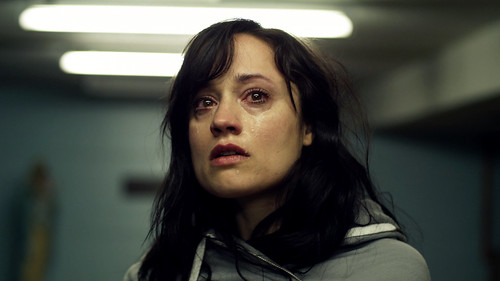
Nowhere Elsewhere

Nowhere Elsewhere

Shine Award Jury Screening

I have a great sense of nostalgia for Shine - it was the first ever film festival strand I attended in 2003, and I'm pleased to say it still delivers the same variety and quality as always. As with the Amos Vogel strand, even if you don't enjoy a film, you know there is another contender just around the corner.

Shorts are not often given proper recognition, and showcases such as the Shine Awards reveal that they are a craft in their own right, distinct from features, providing a rare opportunity to watch emerging talent. Curated by Alissa Juvan, this year the Awards accepted submissions from outside Europe, with a separate screening dedicated to European Shorts.
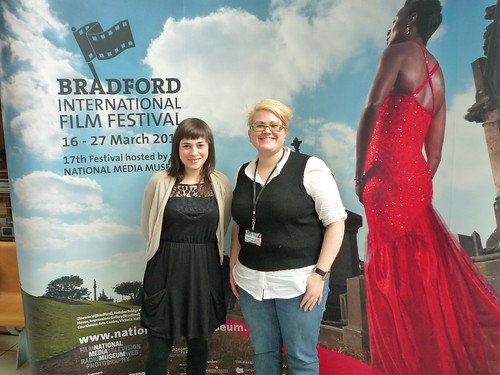
Annick Blanc and Alissa Juvan

Annick Blanc and Alissa Juvan

Annick Blanc, Canadian Director of Nowhere Elsewhere was in attendance to introduce her short before jetting off to Hong Kong, then France to showcase her film - one of my top picks for the award along with A Gentle Push. Both are beautifully shot, well constructed pieces.

The Shine Awards are being screened again at Otley Courthouse on Sunday 27 March, and a screening plus the award presentation will take place at the Museum on Sunday at 6pm.
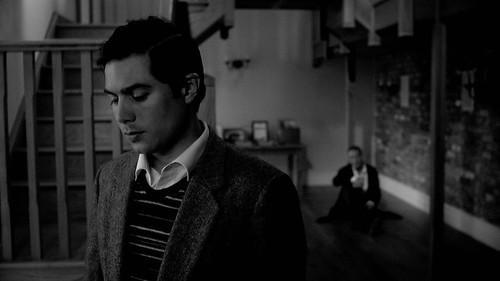
Innocent Crimes

Innocent Crimes

This film was part of the Northern Showcase strand, which was established to exhibit the best in low budget films from the North, and to give then the recognition they rightly deserve.

Innocent Crimes, introduced by Director Jonathan Green and Producer Chris Hees, shows how far £10,000 can go. Frankly, it wasn't my cup of tea, I thought the story and acting were heavy handed at times, and I didn't enjoy the out of focus shots.

Innocent Crimes was meant to be in the style of a noir; it lacked distinctive contrast lighting, quick-witted dialogue, and the developed female characters normally associated with the genre. The moments which worked for me were those of humour and adventure. A valiant attempt, but somewhat misses the mark - I would love to hear what other people thought.
Harold's Going Stiff

Harold's Going Stiff

To quote a friend

"Harold's Going Stiff is everything that is right with low budget filmmaking."

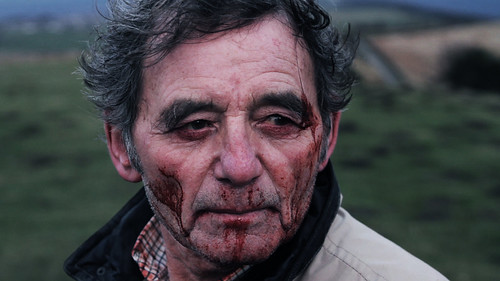
Innovative, funny, and ingenious, Harold's... shows that a low budget is no excuse for a poorly crafted film. Beautifully shot and nicely paced, but the real achievement is the performances. It may be a zombie film, but first and foremost it is a romance.

The two leads have a dynamic relationship as pensioner Harold (Stan Rowe) the sufferer of an advancing neurological disease which causes him to be zombie-like, and his bubbly nurse Penny (Sarah Spencer). Their relationship flourishes in the midst of zombie-hunters, medical tests, and despite the generation gap.

The support cast must also be given kudos; the vigilante zombie-hunters are central to some of the funniest moments in the film, but are not without drama. One of my favourite films of the festival so far, well done to all involved.

23 March, 2011

Why Would a Film Festival Bother with Television?

Blogger: Kate Dunn, Curatorial Assistant - Television

Every year, TV Heaven - our public television archive - screens a complementary schedule of programmes during Bradford International Film Festival. So why does a festival that celebrates film bother with television?

The relationship between film and television has historically been a competitive one. Following the Coronation of Queen Elizabeth in 1953, the percentage of British households owning a television set leapt from 30% to around 89% by the end of the decade. In response, film studios launched a widescreen, full-colour attack on the black and white upstart, with lavish historical epics like The Ten Commandments (1956, Dir. Cecil B DeMile) and Ben-Hur (1959, Dir: William Wyler) tempting people out of their living rooms and back into cinemas.

Despite - or perhaps because of - competition for audiences, film and television have also influenced each other in very positive ways, by nurturing and sharing creative talent and ambition.

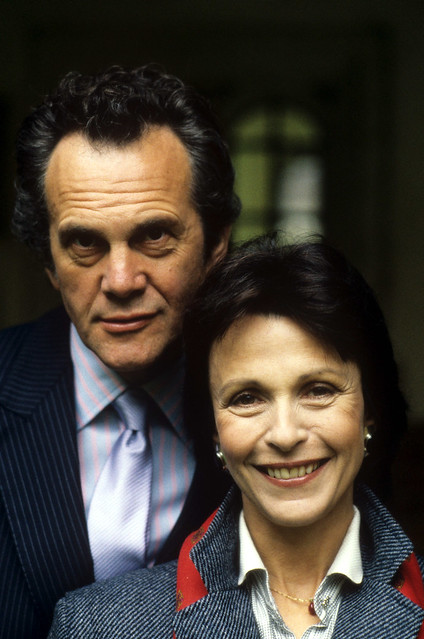
Intimate Contact

Claire Bloom in 'Intimate Contact', courtesy of ITV / Rex Features

Many well-known film stars, directors and writers cut their creative teeth on television projects, and TV continues to attract talent from the silver screen. Because a television series tends to offer a larger canvas than a feature film, film directors and producers have often turned to TV for epic projects, including the likes of Steven Spielberg (producer of Band of Brothers and The Pacific among many others) and Martin Scorsese (Boardwalk Empire), and if you want to look at the full scope of a film star's career, chances are you will have to look to television at some point.

The TV Heaven schedule for this years' Film Festival features many a big screen name, including James Mason, Virginia McKenna, and Claire Bloom, recipient of our Lifetime Achievement Award.

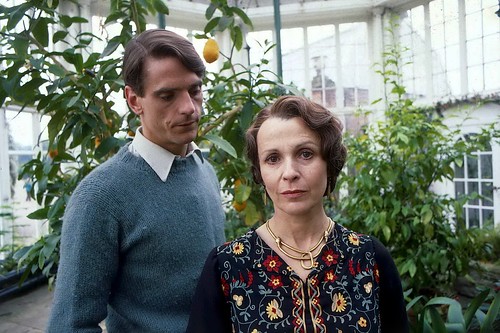
Brideshead Revisited

Claire Bloom in 'Brideshead Revisited', courtesy of ITV / Rex Features

To commemorate the occasion, TV Heaven will be screening some of the actress' greatest television work, including the ground-breaking four-part drama, Intimate Contact, which was among the first to realistically portray the impact of AIDs on patients and their families. We will also be showing a 1961 adaptation of Anna Karenina - lost in the depths of the BBC archives until 2009 - and an episode of Granada Televisions' gorgeous 1981 adaptation of Brideshead Revisited.

These last two programmes show another shared trait of film and television – they tend to look to the same sources for inspiration.

British entertainment is littered with television and film adaptations of the same plays, novels and short stories, and it was natural choice for us to fill the rest of this year's TV Heaven line-up with other great literary adaptations.

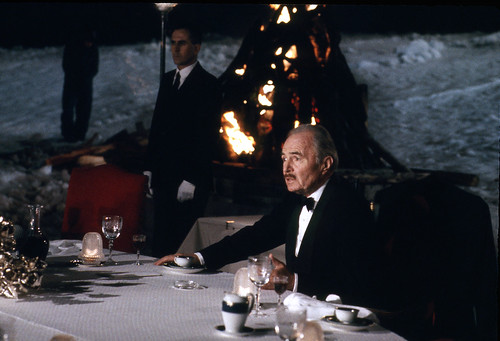
Dr Fischer of Geneva

'Dr Fischer of Geneva', courtesy of BBC

These include: Dr Fischer of Geneva (BBC, 1984) an excellent version of Graham Greene's darkly satirical novel featuring James Mason's last ever performance; A Passage to India (BBC, 1965) an adaptation of E M Forster's novel directed by Waris Hussain; and a double-dose of Jonathan Miller with Alice in Wonderland (BBC, 1966) and Whistle and I'll Come to You (BBC, 1968).

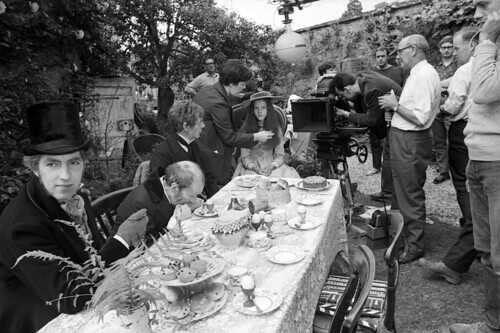
Alice in Wonderland

'Alice in Wonderland', courtesy of BBC

Not only are Alice... and Whistle... wonderful adaptations of Lewis Carroll's classic children's fantasy and an M. R. James ghost story, but they also highlight television's a taste for the cinematic.

Television drama in particular has often been inspired by the look and feel of film, be it epic narratives, film-led production techniques, or experiments with form and style. Miller's adaptations of Alice... and Whistle... are both visually stunning, sharing an ethereal, gloomy beauty that would not look out of place on the big screen. Television drama like this exhibits huge ambition and a visual flair that is barely contained by the small screen it is made for.

Whistle and I'll Come to you

'Whistle and I'll Come to You', courtesy of BBC

Cinema and television are not opposing media forces. They are often seen as competitors because they share an audience, but they also share creative drive and talent. Any competition between the two has ultimately furthered the cause of each, encouraging both media to push the boundaries, to be ambitious, and we the audience have reaped the benefits.

During this year's Bradford International Film Festival I can highly recommend visiting TV Heaven and exploring the best cinema that British television has to offer.

22 March, 2011

BIFF 2011 Day 2

Blogger: James Cross, Front of House

Continuing on my film odyssey, where I watch football, fantasy, avante garde film, and a drunk man sings A Whole New World.

Kick Off

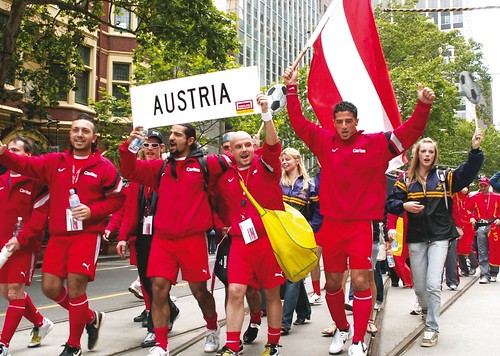
Kick Off UK Premiere

This documentary follows the Austrian homeless soccer team competing at the 2008 Homeless World Cup in Australia. These men, all of who have been homeless and addicts of one sort or another, are playing to restore their faith in themselves. Each have their own stories, but as one of the team members comments "it's the same stories", of isolation, desperation, hopelessness, and the desire for redemption.

Although Kick Off doesn't exploit the story to its full potential, the human-interest appeal of the film's characters carries you through to the end. I was left wondering "What will happen to these people, whose sense of self is so intertwined with this tournament, now that it is over?"

Kick Off screened for a second time on Sunday 20th March, did anyone else watch this film? Let me know what you thought.

Tideland

Tideland

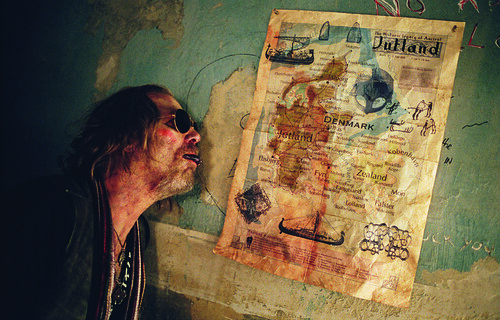
Terry Gilliam has always toyed with the surreal, but with Tideland he took a far more sinister turn. Jeliza-Rose (Jodelle Ferland) is the daughter of a dead-beat rocker (Jeff Bridges) and self-obsessed junkie (Jennifer Tilly), who spends her childhood cooking up heroin for mum and dad. When her mother ODs, Jeliza-Rose is whisked away by her father to grandma's abandoned farmhouse house in the deep south of America. When her father goes 'on vacation' (takes an overdose) we find ourselves pulled into Jeliza-Rose's fantasy world. References to Alice in Wonderland mix with a healthy dose of the macabre to highlight Gilliam's convention-defying sensibilities. I just hope I don't meet his inner child...

BIFF 2011 Day 2

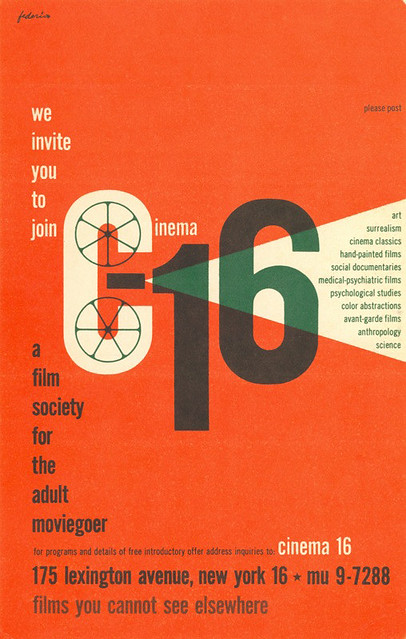
Amos Vogel Part 1: Cinema 16

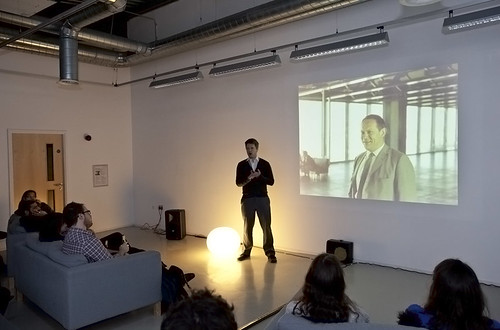
This has been my favourite strand of the festival so far. The session was dedicated to a selection of short films representative of Amos Vogel's work. Screened at Impressions Gallery, the atmosphere was amazing. Sitting on a couch with an old projector clacking away behind me; this is DIY film exhibition at its best.

Tom Vincent introduced the session explaining that the aims of Bradford International Film Festival are very much the same as those of Vogel's Cinema 16 film society: to screen films you can't see anywhere else. This is certainly true of the innovative and thought provoking films that were shown here today, and one of the most intriguing aspects was to examine how the films had aged 50 years on.

BIFF 2011 Day 2

The intermission provided an opportunity for the audience to discuss the films, and as we stood outside in Bradford's Centenary Square, currently undergoing some regeneration, a passing drunken man serenaded me with A Whole New World, which definitely added to the overall experience). I won't be missing Amos Vogel: Part 2 on Friday night, a selection of modern films created with the Cinema 16 aesthetic in mind. Will I see you there?

21 March, 2011

Picture a Museum Day 2011

Blogger: Emma James, Web Content Coordinator

Thursday 17 March was the very first global Picture a Museum Day - the purpose of which was to give people behind-the-scenes access to the world's museums and galleries through Flickr and Twitter.

What a success! The MuseumPics Flickr group now has more than 500 members. Institutions and individuals from across the globe have shared over 6,000 photographs of art, objects, people and spaces from some of the world's best cultural destinations.

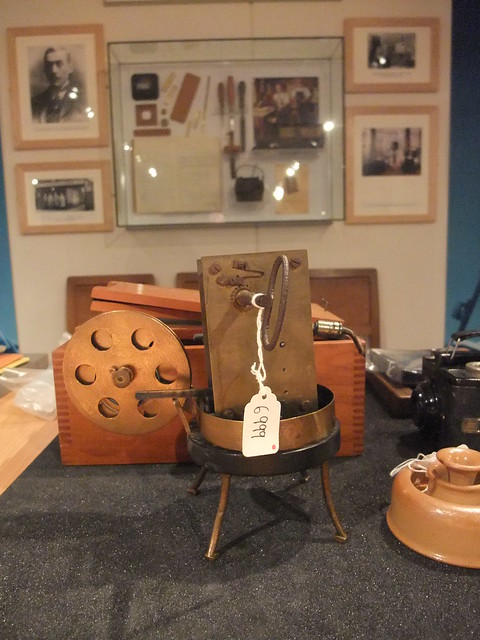
Small Object Store in Insight Collections and Research Centre

Thursday also saw people using their smart phones to post photographs to Twitter using the #MuseumPics hashtag, and days later, it's still generating quite a bit of traffic - another coup for collaborative content creation through social media.

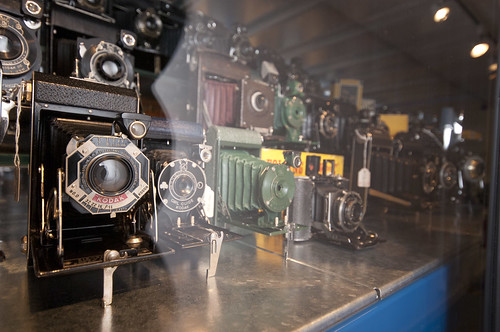
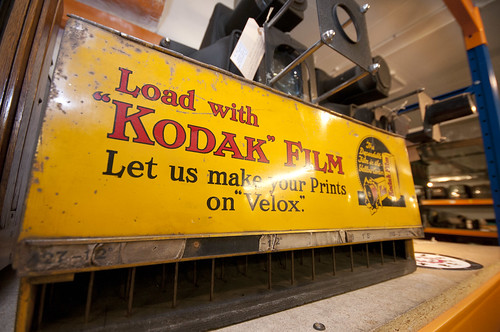
Photographic Apparatus

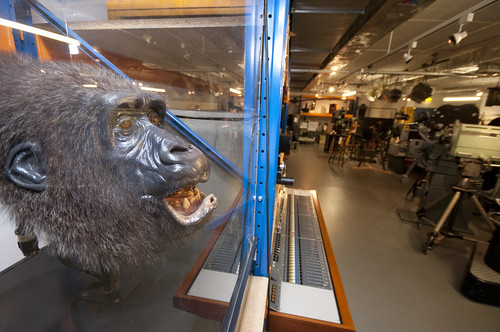
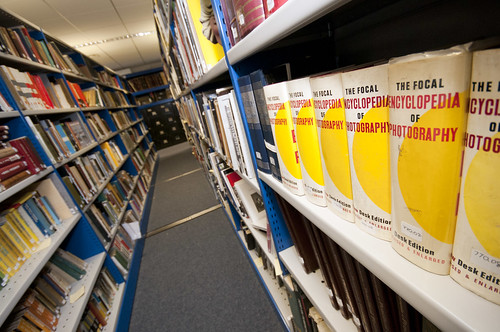
Let's hope the day becomes an annual fixture on the museum calendar. Here's a selection of our photographs from the day - see the rest on our Flickr channel, or go straight to the MuseumPics group to see images from around the world.

Large Object Store in Insight Collections and Research CentreDaily Herald Collection in Insight Collections and Research CentreLarge Object Store in Insight Collections and Research CentreLibrary in Insight Collections and Research Centre

18 March, 2011

BIFF 2011 Day 1

Well, the film festival is in full swing now, and there's lots going on this weekend, including Q&As from Jim Loach (Oranges & Sunshine), Marcin Wrona (The Christening) and the cast and crew of Blooded tonight, followed by the Terry Gilliam Screentalk and the Bradford After Dark mini horror-fest in collaboration with Celluloid Screams tomorrow. On Sunday, Gaylen Ross (former actress turned director) will be here with her new documentary Killing Kasztner, which I hear is incredible.

There's so much going on, that I've enlisted the help of Museum staff and festival goers to review some of the events and film screenings they've been enjoying (or not!) Yesterday you heard from Ben Eagle, BIFF Producer, and now - yesterday's film discoveries from James Cross, box office pro and all round helpful chap.

Blogger: James Cross, Front of House

Yesterday, the festival started in earnest, and it was nice to see some familiar faces along with some new ones. Best of all was being able to compare notes with that special breed of film fan, willing to spend much of the next 10 days sitting in a dark room. On to the films...

Limelight

Limelight

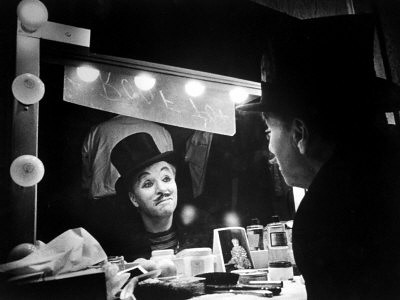
The first in the Claire Bloom retrospective, this film is a perfect example of art mirroring life. Charlie Chapin plays Calvero, a music hall performing 'tramp' clown, who rescues dancer Terry (Claire Bloom) from an attempted suicide. Calvero then nurses Terry back to health, after her inexplicable paralysis. By enthusing and encouraging Terry to seek and achieve her dream of becoming a prima donna ballerina, he realises that his own career and talents are waning.

This is almost a direct comparison between Chaplin and Bloom, because Limelight was his self-referential swan song and her big break. Both leads show what tremendous talent and chemistry they have; people were crying as they left the auditorium.

Cinema16

Film as a Subversive Art: Amos Vogel and Cinema 16

A brilliant introduction to Amos Vogel and the Cinema 16 film society, especially if you are as uninformed as me. Although not cinematically brilliant, the story and personality of Amos Vogel keeps you engaged. He's tried to be "sand in the machinery of the world" his whole life, and as a result turned the New York film scene on its head.

Despite Vogel's many successes, you are left with a slight feeling of missed opportunity and longing as he tells of the demise of Cinema 16. A great introduction to an irrepressible character.

Double Bill: Disfarmer: A Portrait of America + An American Journey

It's easy to see why these two films were programmed together, as both focus on photographers who felt isolated from the culture they documented, and the consequences of their work. I will try not to give too much away as this duo is repeated on Monday 21 March.

Disfarmer

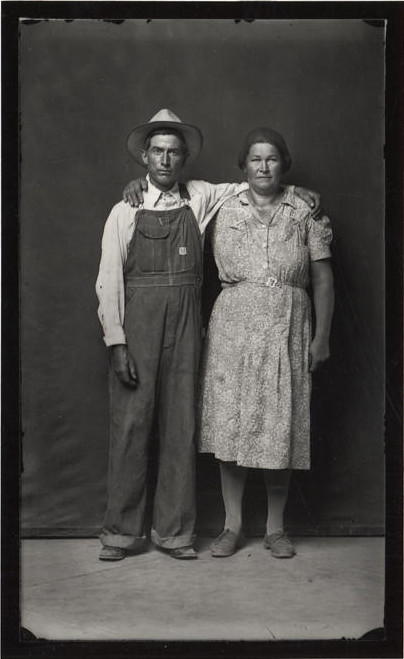
Disfarmer: A Portrait of America

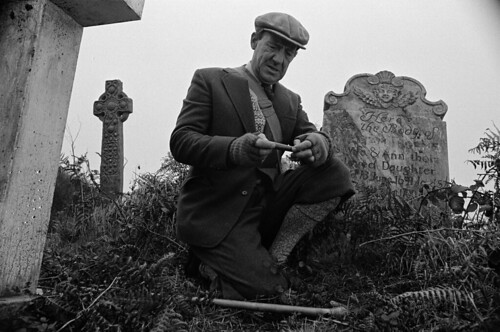
This intriguing story follows the discovery and subsequent selling of odd-ball Mike Disfarmer's (aka Mike Meyers) portrait photography from the depression era of his local farm community. It wasn't until 1974, when photographer Peter Miller found the prints and sent them to New York, that Mike Disfarmer was 'discovered'.

What ensues is a tale that gradually pulls you in as the townspeople are amazed and bewildered at the importance of his work, and the wider photographic community stirs. Small town meets big city.

An American Journey

We were lucky enough to be joined by the film's Director, Philippe Séclier, who introduced his film and stayed for a brief Q&A afterwards. In 1958, Swiss-born Robert Frank first published The Americans, his photographic investigation of the American way of life. 50 years later Philippe Séclier retraced Robert Frank's steps. On this odyssey we learn about the differences in culture 50 years on, the characters portrayed in the book, and its importance in photographic and art history.

What comes across, not only in the film but in the way Philippe talks about his efforts, is that An American Journey is a personal one. Philippe says that Robert Frank was him 50 years ago, travelling and exploring across an unfamiliar culture. I would definitely recommend this to any photography fans.